Knee Osteoarthritis: Causes, Symptoms, Diagnosis & Treatments
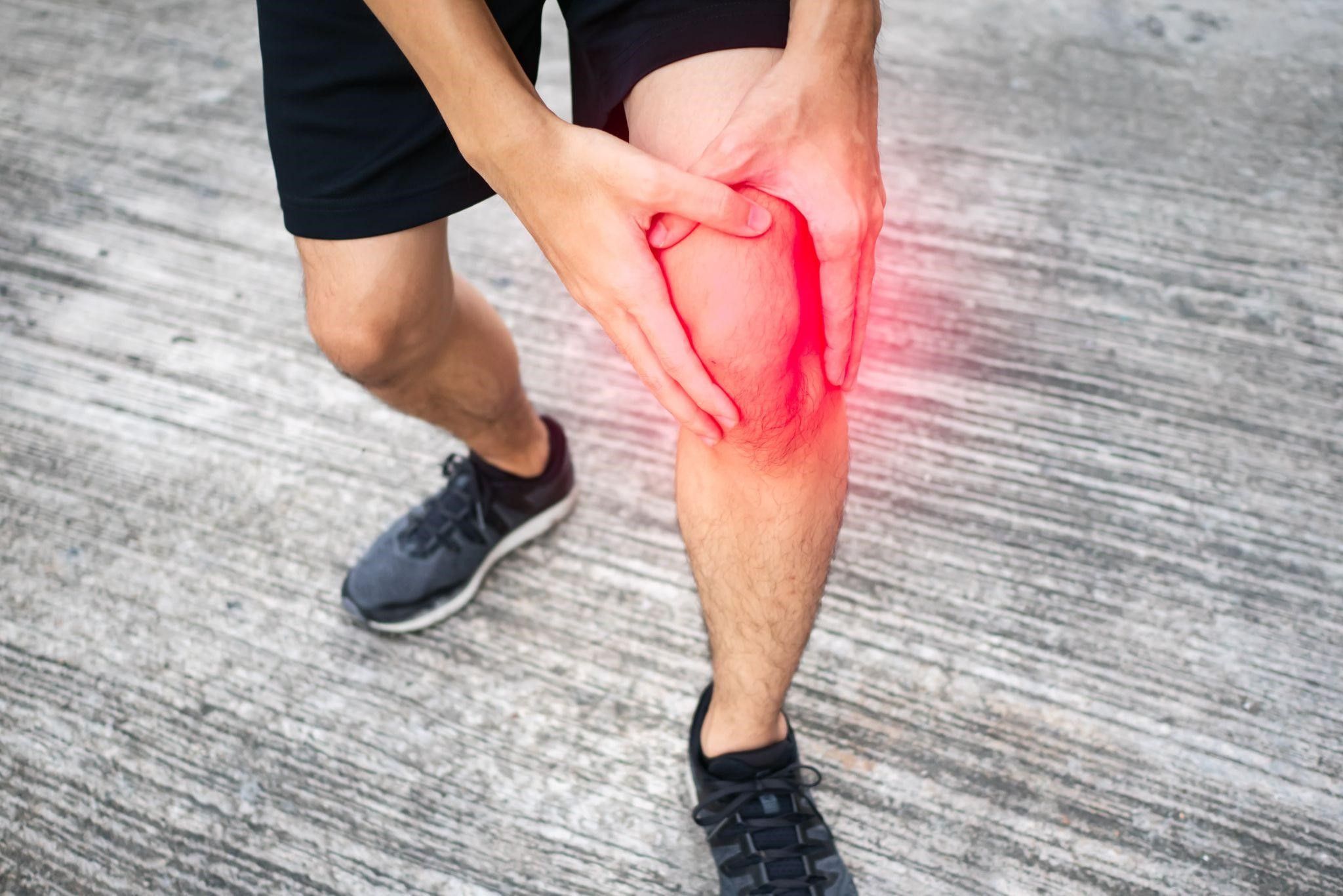
Osteoarthritis of the knee is a degenerative joint disorder that affects the entire joint, including the cartilage, joint lining, ligaments and bone. It is the most common form of osteoarthritis. It is caused by the breakdown of the cartilage which is the protective tissue that cushions the ends of the bones between the joints. This causes the bones in the knee joint to rub against each other causing pain, swelling and difficulty in moving the joint. It can also lead to extra bone growth on the edges of the joints, which can restrict movement or rub against other tissues. The breaking down of the cartilage also causes the other tissues within the knee joint to work more than usual. This results in stretching of the supporting tissues surrounding the joint causing the joint to become less stable.
Even though it typically affects middle-aged or elderly people, young people can also develop osteoarthritis especially those who have had a previous joint injury. Women are more likely than men to develop knee osteoarthritis.
Even though there is no cure for knee osteoarthritis, there are ways to manage it by reducing the pain and increasing the mobility of the joint to carry out daily activities and maintain a good quality of life.
Causes of Knee Osteoarthritis
Even now researchers aren't sure about what causes the breakdown of the tissues in the joint. They believe that it is caused by a variety of factors in the body and surrounding environment. But there are certain risk factors that make one more prone to developing knee osteoarthritis. These include:
- Age : Knee osteoarthritis is usually seen in people above the age of 50. It could be due to the changes in the body caused due to ageing, such as weakening muscles, weight gain, years of cumulative stress on the knee joints and the reduced ability of the body to heal itself.

- Overweight : The risk of developing osteoarthritis increases if one is overweight. The extra body weight places more stress on the knee joints. The increased number of fat cells also promotes inflammation.
- Sports Injury : Sports injuries or any injury to the knee joint is often the cause of knee osteoarthritis developing in young adults. Common injuries that increase the chances of Osteoarthritis are:
- Broken Bones
- Torn Cartilage
- Dislocated Joints
- Ligament Injuries
- ACL strain and tears
- Job Environment: Osteoarthritis is often referred to as “wear and tear ” disease. The repetitive strain in your knee joints causes the cartilage to wear down prematurely. This is due to the overuse of the joint to perform certain activities at work. These activities include:
- Physical Labour
- Kneeling
- Squatting
- Climbing Stairs
Sports which include a lot of jumping and running also puts the athletes at risk to develop Osteoarthritis.
- Gender: Women usually develop the progressive symptoms of knee osteoarthritis more than men. Research shows that women above the age of 55 are more likely to have osteoarthritis than men of the same age.
- Joint Abnormalities: Misalignment of the bone or joint structures or other abnormalities such as knocked knees which are present from birth or developed during childhood can lead to earlier and more severe knee osteoarthritis than usual.
- Genetic Factors: People with family members who have knee osteoarthritis are more likely to develop it as the genes we inherit play a role in determining the likelihood.
Symptoms of Knee Osteoarthritis
Osteoarthritis is a leading cause of disability, so recognising the symptoms early and taking proper measures to manage osteoarthritis is essential. The common symptoms of knee osteoarthritis are pain and stiffness in the joints. The pain usually becomes worse as the knee joint is used a lot throughout the day. After a period of rest, the joints may become stiff but usually wear off once the joint starts moving. Symptoms will vary from person to person, with some people not even experiencing pain.
The other knee osteoarthritis symptoms include:
- Loss of flexibility and limited range of motion, that may go away after movement
- Tenderness or discomfort when pressing on the affected joints.
- Joints may appear slightly larger or may have lumps on it due to the growth of extra bone.

- The joints may make grating or crackling sounds when it is moved. This is known as Crepitus.
- Muscles around the joint may become weak as they start to become thin and lose muscle bulk.
- Joint Instability or buckling caused due to the joint structure becoming less stable or the weakening of muscles around the joint.
These symptoms usually progress slowly over time,
Diagnosis of Knee Osteoarthritis
Currently, there are no standard lab tests to verify the presence of knee osteoarthritis. So physicians usually use different diagnostic tools to determine whether a patient has knee osteoarthritis. Some of the knee osteoarthritis diagnosis tools are:
- Patient Interaction : A physician needs to gather all the information about the patient's medical and family history when the knee pain began, if other symptoms such as stiffness in the joints are present, factors that ease or worsen the pain, affect on daily life.
- Physical Exam : The physician will conduct a physical examination to note any signs of swelling, extra bone growth, pain points, stiffness and range of motion. The physician will also observe the gait of the patient, by asking him to do particular physical tasks.
- X-rays : An X-ray helps in showing if there is any loss of joint space between the bones in our leg. This indicates a loss of cartilage in the knee. An X-ray can also show bone spurs, formed due to the loss of cartilage.

- MRI : An MRI can provide a view of all the soft tissues in the knee joint, including cartilage, ligaments, tendons and muscle as well as the bone. An MRI is often not necessary and is only ordered if the X-rays of the knee are inconclusive or if the physician suspects the cause of the symptoms is due to something else.
- Lab Tests : Since there are no standard lab tests to diagnose knee osteoarthritis, a lab test is usually used to rule out other problems such as infection or gout that can cause knee pain.
Treatments for Knee Osteoarthritis
Since there is no cure for knee osteoarthritis, the treatment is focused on relieving the pain and discomfort and also slowing the damage to the knee joint. The aim of knee osteoarthritis treatment is to improve the patient's quality of life and provide them with the ability to perform day-to-day tasks easily. It is imperative that the treatment for knee osteoarthritis begins as early as possible. Thus making it easier for knee pain relief and controlling the damage to the joint. The treatment includes lifestyle changes, medications, injections and in rare cases surgery. Surgery is usually not required and is only recommended by an osteoarthritis specialist doctor when the other treatments have been tried and failed. Some of the changes that can be made in your daily life to protect the knee joint and slow the progression of knee osteoarthritis are:
Maintain a Healthy Weight and Diet
For patients who are overweight, losing weight will significantly reduce the stress and pressure on the knee joints. This results in reduced pain and increased joint function. It also helps in reducing other symptoms and slowing down the progression of knee osteoarthritis. Following a healthy and balanced diet helps in losing weight. A healthy diet includes cutting down the number of calories from high-fat and sugary foods and including foods that provide you with essential vitamins and nutrients.
Regular Exercise
A common worry is that exercising will increase their pain and cause further damage to the joint. Even though resting painful joints may make them more comfortable initially, too much rest will make the joints more stiff and difficult to move. For people experiencing pain while exercising it is important to start slowly and gradually build up. The exercise plan should ideally contain three types of exercises. These are:
Strengthening Exercises
These help in strengthening the muscles that move and support the knee joint. This reduces the stress on the joint and helps in minimising the damage caused by osteoarthritis.
Range of motion exercises
These exercises involve taking the joint through a range of movement that feels comfortable and then gently easing them just a little bit further. This helps in reducing the stiffness in the joints and increasing range of motion of the joints.

Aerobic Exercises
These are cardio exercises that help improve stamina and energy levels. These exercises also burn off calories and help in reducing weight. For people with knee osteoarthritis low impact exercises such as walking, swimming or cycling are recommended. This will enable them to be active while putting less stress on their knee joints. Hydrotherapy is also recommended. These pools have warm water which helps in relieving pain and stiffness. The water also helps in supporting your weight while providing some amount of resistance for muscle-strengthening exercises.
Surgery
Even after undergoing other treatments for osteoarthritis, if the knee pain is still severe and it becomes difficult to perform day-to-day activities, it is best to visit an osteoarthritis treatment centre. Here the doctor may recommend surgery as a treatment option. The most common surgery for knee osteoarthritis is a total knee replacement. Other surgeries including partial knee replacement and knee osteotomy are also common.
Knee Osteoarthritis and Physical Therapy
People suffering from knee osteoarthritis are recommended to keep their knees moving and perform suggested exercises so that the joint and the surrounding muscles do not become weak. But overusing your knees can also worsen your joint health and knee osteoarthritis. Physical therapy helps in finding that balance of keeping your knee joint moving just enough so that they are strong and healthy. Physical therapy can help in reducing the pain, swelling and stiffness caused due to osteoarthritis. Physical therapy for knee osteoarthritis is of two types- passive and active treatments. In passive treatments, the physical therapist does most of the work. With active treatment, the patient does most of the work. Some of the treatments that come under these categories are:
- Cold Therapy : They help in reducing swelling. It can be done by placing a cold compress on the knee joint.

- Heat Therapy : They help in decreasing the stiffness in the knee joints and the surrounding muscles. A warm heating pad may be placed on the joint to promote blood flow.
- Hydrotherapy : This treatment uses water to decrease knee osteoarthritis symptoms. These pools have warm water which helps in relieving pain and stiffness. The water also helps in supporting your weight while providing some amount of resistance for muscle-strengthening exercises.
- Manual Therapy : In this treatment, physiotherapists useuses hands-on soft tissue and joint mobilisation techniques to increase knee joint mobility, and muscle flexibility and reduce stiffness.

- Posture Training : Proper posture is essential to take the stress of the knee joint while walking and standing.
Home Remedies for Knee Osteoarthritis
Medication for Knee Osteoarthritis
The pain and inflammation caused by Knee Osteoarthritis can make performing everyday activities very difficult. Medications can help ease the pain and make it easier to perform daily activities. Usually, doctors suggest over-the-counter(OTC) pain relief and anti-inflammatory medications initially. In cases where the patient has a severe case of Osteoarthritis or the medications don’t work, doctors will start with prescription medications. The different types of pain and anti-inflammatory medications available to treat Knee Osteoarthritis are:
- Nonsteroidal anti-inflammatory drugs (NSAIDs) : They help in treating pain and prevent painful inflammation and joint damage. These are some of the most popular medications for Osteoarthritis because they are effective and nonsedating. These come in oral and topical forms. NSAIDs do come with risks, some of the side effects can include: Topical NSAIDs are recommended by experts over pills for Osteoarthritis pain due to their fewer side effects. These come as prescription liquids and patches. The gel is available over the counter without a prescription. Some examples of NSAIDs include Aspirin, Ibuprofen, Naproxen, Diclofenac and Ketoprofen.
- Stomach irritation, erosion or ulcers
- Kidney Problems
- May increase the risk of Heart Disease or stroke.
- Analgesics : These are medicines that relieve pain but don't reduce inflammation. They work to change how the body responds to pain by blocking signals in your body that produce pain. Examples include Acetaminophen, Duloxetine, tramadol and prescription opioids.
- Corticosteroids : They are also known as steroids. These are powerful medications that reduce swelling and suppress the immune system. Their effect can be felt in a few days and can last for a few months. The use of steroids should be limited to 4 shots a year and it is not recommended to stay on them indefinitely.

- Side effects can include:
- High blood sugar levels
- Stomach Ulcers
- High Blood Pressure
- Cataracts
- Osteoporosis
- Nerve Damage
- Opioids : These are prescription medications that change the way the body feels pain. They are habit-forming, powerful and sedating. These are only prescribed by doctors for severe cases of Osteoarthritis.
Best Foods for Knee Osteoarthritis
There are no specific diets to follow or foods to eat to cure osteoarthritis, but certain diets can improve the pain and ease the inflammation of the knee joint. The right diet also helps to keep the weight under control and equip the body with essential vitamins and nutrients to prevent further joint damage and build strong cartilage.

The following foods can be added to their diet to reduce their symptoms:
- Oily Fish : Oily fish are high in Omega-3 fatty acids. They contain natural anti-inflammatory properties that help reduce the symptoms of Osteoarthritis. Oily fish varieties include sardines, mackerel, salmon and fresh tuna. They are also a good source of vitamin D, which can help prevent deficiency. Supplements such as fish oil, krill oil or flaxseed oil contain omega-3 and can be taken as an alternative to fish.
- Oils : Certain oils are known for their anti-inflammatory properties. Olive oil being the most common contain high levels of oleocanthal which have similar properties to NSAIDs.Research also shows that certain compounds found in olive oil could help in clearing out the damaged cells from the body through a process called Autophagy. This is very beneficial in case of osteoarthritis to clear the affected knee joint area. Avocado safflower oils are also helpful in managing the symptoms of Osteoarthritis.
- Dairy : Dairy products such as milk, yoghurt and cheese are rich in calcium and vitamin D. These nutrients can improve painful symptoms as they increase bone strength. Dairy also contains proteins that help to build muscles.
- Broccoli : It contains a compound known as sulforaphane which helps in improving bone strength and slowing down the progression of osteoarthritis. It is also rich in vitamins K and C.
- Dark Leafy Greens : They are rich in Vitamin D and other nutrients that may be able to help decrease the inflammation caused due to osteoarthritis. Leafy greens such as spinach and kale contain plenty of antioxidants and plant compounds that can relieve inflammation and help fight diseases. Spinach is rich in antioxidant kaempferol, which has been shown to decrease the effects of inflammatory agents associated with osteoarthritis.
- Garlic and Ginger : Studies have shown that garlic supplements possess anti-inflammatory properties and help relieve pain and stiffness. Compared to garlic, there is less evidence of the benefits of ginger in reducing osteoarthritis symptoms. But ginger supplements have also been shown to reduce pain and inflammation symptoms of Osteoarthritis.
- Walnuts : They are rich in nutrients and loaded with compounds that are found to reduce inflammation associated with Osteoarthritis. They are also rich in alpha-linolenic acid, a type of omega-3 fatty acid that helps in managing the symptoms of Osteoarthritis and boosting the immune system. Nuts, in general, contain high levels of calcium, magnesium, zinc, vitamin E and fibre.
- Green Tea : They contain high levels of polyphenols. Research has shown that polyphenols are antioxidants that help in reducing the inflammation and slow down the rate of cartilage degeneration.
- Berries : They are rich in antioxidants, vitamins, and minerals which account for their ability to reduce inflammation. Studies have shown that consuming strawberries decreased markers of inflammation, such as tumour necrosis factor-alpha in patients with knee osteoarthritis. It also helps in reducing pain and controlling cartilage degradation.
Conclusion
Knee osteoarthritis is a common degenerative joint disease that affects millions of people all over the world. It can be caused by a variety of factors including age, lifestyle, genetics and injury. Understanding the causes and risk factors of knee osteoarthritis can help individuals take preventive measures to reduce the risk of developing osteoarthritis. The symptoms of this condition can significantly affect the patient's quality of life, but there are various treatment options ranging from medication to physical therapy and lifestyle changes such as regular exercise and following a healthy diet. Early diagnosis and prompt medical attention are crucial in preventing further deterioration of the knee joint. So by working closely with healthcare professionals and following an individualised treatment plan, patients with knee osteoarthritis can manage their symptoms and slow down the progress of the disease.
Learn More How CASAMED can help to Manage Osteoarthritis of the Knee
Our team of medical experts are available 24x7 to guide you through the journey of pain relief. Visit https://www.casamed.in/contact or get in touch with us via our contact number +91-9523212651 or send a mail to support@casamed.in.
The information provided here is for educational purposes to help you manage your pain and prevent it from becoming a recurring condition. In case of discomfort, seek medical help